
Back to News & Events
Blogs • Torre Lorenzo • June 17, 2026
7 Ways Rising Fuel Prices Affect Condo Owners
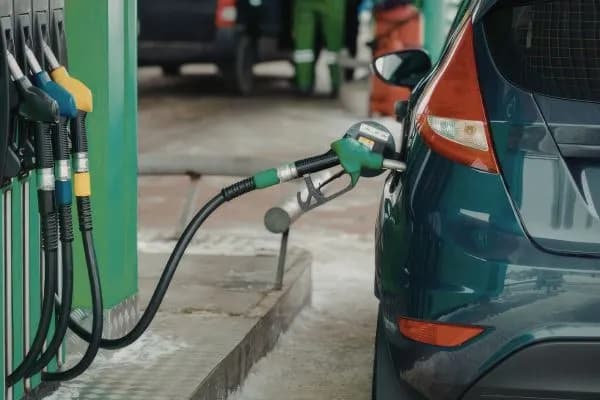
You’ve reviewed your monthly budget, and everything looks the same — same rent, same association dues, same utility plan. But somehow, you’re spending more than last month. Sound familiar?
The Philippines declared a national energy emergency in March 2026 after Middle East tensions triggered historic fuel price surges — with gasoline up roughly 50% and diesel up around 80%. The result? Inflation climbed to a 20-month high of 4.1% in March and accelerated to 7.2% in April — the fastest price growth in over three years.
For condo owners, the fuel price impact isn’t just felt at the pump. It quietly affects every day condo expenses — from association dues and grocery bills to maintenance services, delivery fees, and daily transportation costs. Even if your monthly bills appear unchanged on paper, rising fuel and logistics costs are often embedded behind the scenes.
Understanding these seven ripple effects can help you budget smarter, reduce unnecessary condo expenses, and choose a property that stays cost-efficient during periods of economic uncertainty and rising inflation.
7 Ways Rising Fuel Prices Affect Condo Owners
1. Increased Electricity Bills Due to Fuel-Dependent Power Generation

A significant portion of the Philippines’ power generation relies on oil and natural gas. When global oil prices surge, electricity generation costs follow — and those costs eventually reach consumers. The Department of Energy Philippines regularly flags fuel cost movements as a key driver of power rate adjustments. For condo owners running air conditioning, appliances, and home office equipment, even modest rate increases to add up quickly over a billing period.
2. More Expensive Delivery, Logistics, and Moving Services
E-commerce deliveries, grocery couriers, appliance installations, and moving services all depend on fuel. When diesel and gasoline prices rise, logistics companies adjust their rates to protect margins. If you’ve noticed that delivery fees have crept upward or that a moving company quoted you more than expected, fuel costs are certainly part of the calculation.
3. Rising Prices of Goods and Meals from Nearby Establishments
Transportation costs affect every step of the supply chain — from the farm to the distributor to the grocery shelf to the restaurant kitchen. When fuel becomes more expensive, those costs are embedded in the price of everything you buy. The Bangko Sentral ng Pilipinas consistently identifies transport and fuel as key contributors to inflation, which means that a sustained oil price in the Philippines typically shows up in the price of food, household goods, and dining within weeks.
4. Higher Transportation and Commuting Costs
This one is direct. If you own a car, you’re spending more at the pump. If you rely on ride-hailing services or traditional public transport, fare adjustments often follow fuel price increases. For condo owners who commute daily to offices, schools, or commercial areas, this becomes a recurring and compounding expense — especially if your building is located far from your destination.
5. Increased Rates for Repairs, Maintenance, and Home Services
Air-conditioning servicing, plumbing repairs, electrical work, pest control — most home service providers factor fuel into their pricing when calculating labor and transportation costs. During periods of high fuel prices, expect service call fees and labor quotes to be higher than usual. Condo owners who are diligent about maintenance may notice this creeping into their regular upkeep budgets.
6. Reduced Purchasing Power and Lifestyle Flexibility
When fuel prices sustain an upward trend, inflation rate in the Philippines tend to follow. This means your monthly income stretches less far than before — even if your salary hasn’t changed. Discretionary spending on dining out, weekend activities, fitness memberships, and leisure take a hit. Over time, sustained fuel-driven inflation quietly erodes the lifestyle flexibility that many condo owners moved to the city to enjoy.
7. Higher Association Dues and Building Maintenance Costs
Condominium buildings rely on fuel-powered systems to operate — backup generators, water pumps, HVAC equipment, and service vehicles all consume energy. When fuel prices rise, the cost of running and maintaining these systems increases. Building administrators pass these costs through higher association dues or special assessments. If you’re building recently announced a dues adjustment, an oil price hike may be one reason behind it.
How Can Condo Owners in the Philippines Save Money When Fuel Prices Are High?
Managing the financial pressure from fuel price increases doesn’t require drastic changes. A few practical adjustments can make a meaningful difference.
- Audit discretionary expenses. Identify subscriptions, dining habits, and leisure spending that can be scaled back temporarily without significantly affecting your quality of life.
- Consolidate errands and trips. Whether you drive or use ride-hailing, batching multiple tasks into a single outing reduces fuel consumption and transportation costs.
- Maximize walkable amenities. If your condo is near grocery stores, pharmacies, restaurants, and offices, use them. Every trip you avoid is a direct cost saving.
- Explore remote or hybrid work arrangements. Reducing the number of days, you commute each week is one of the most effective ways to lower fuel-related expenses. Many employers in the Philippines have retained flexible work policies — it’s worth having that conversation.
- Reassess your living location strategically. If you find yourself spending heavily on transportation every month, it may be worth evaluating whether your current condo location is working against your budget in the long term.
Why Condo Location Matters More During Periods of Inflation
During periods of economic pressure, the value of a well-located condo becomes much clearer. Location isn’t just a lifestyle preference — it’s a financial lever.
A condo situated near business districts, universities, commercial centers, and major transport hubs reduces your daily dependence on fuel-intensive travel. Walkable access to offices, schools, grocery stores, and dining means fewer rides, less fuel, and lower monthly transportation costs. Over a full year, that difference can amount to a significant sum.
Mixed-use and transit-oriented developments take this further by placing essential services and public transport connections within immediate reach. When inflation rises and commuting becomes more expensive, residents of these developments are naturally insulated from a portion of that pressure.
According to PSA data compiled by Statista, household final consumption expenditure on transport in the Philippines reached approximately ₱1.37 trillion in 2023 — making it one of the largest spending categories for Filipino families. That’s a significant line item in any household budget, and one that grows directly alongside fuel prices. Reducing that exposure through smart location choices is one of the most durable ways to protect both your lifestyle and your long-term financial position.
Torre Lorenzo: Condo Living Built for Practical Urban Living
Torre Lorenzo developments are strategically positioned in key urban locations across the Philippines — near universities, business districts, commercial centers, and major transport corridors. This isn’t coincidental. It reflects a deliberate commitment to building residences where daily life is genuinely convenient and cost-efficient.
For residents, that means less time and money spent commuting, easier access to essential services, and a higher quality of daily life that doesn’t depend on a car or expensive ride-hailing to function. In a period of rising fuel costs and persistent inflation, that kind of built-in convenience has measurable financial value — not just today, but over the long term.
As a trusted property developer in the Philippines, Torre Lorenzo understands that the right address does more than look good on paper. It shapes how you live, how much you spend, and how well you’re positioned to weather economic uncertainty.
If you’re evaluating your next move or looking to invest in a property that works harder for your lifestyle and budget, now is the time to explore Torre Lorenzo’s developments. Contact us today and discover how the right location can become one of the smartest financial decisions you make — especially now.